The Cost of Commercial Solar Panels: What You Need to Know
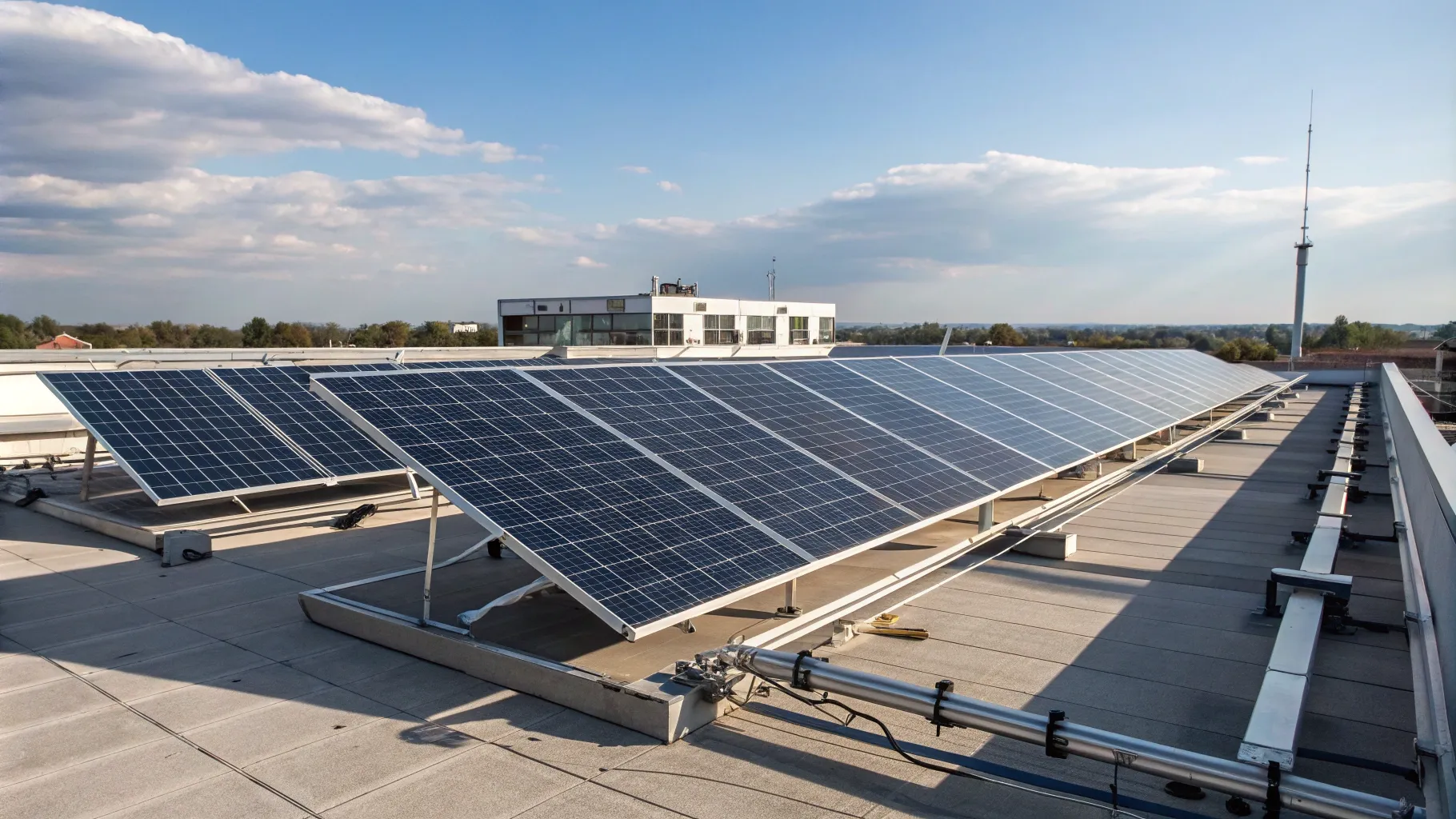
Are you considering the switch to commercial solar panels for your business? Understanding the costs associated with commercial solar systems is crucial for making an informed decision. In this blog, we’ll explore the various factors that influence the cost of commercial solar panels, along with insights into their benefits and how to optimize your investment.
Understanding Commercial Solar Panel Costs
Commercial solar systems are defined by the National Renewable Energy Laboratory (NREL) as installations ranging from 100 kilowatts (kW) to 2 megawatts (MW). The cost of these systems can vary significantly based on size and location. To give you a ballpark figure, NREL estimates the national average cost per watt for commercial solar systems to be around $1.56, while the Solar Energy Industries Association (SEIA) provides a slightly lower estimate at $1.45 per watt. This means if you’re looking at a typical installation, your costs might range from $145,000 to $312,000 for a 100 kW to 200 kW system, respectively.
Factors Influencing Cost
While the cost per watt is a useful benchmark, numerous factors can affect both the upfront and lifetime costs of your commercial solar system:
- System Size: Larger systems generally have a lower cost per watt due to economies of scale.
- Installation Location: Labor and installation costs can vary based on geographic location.
- Type of System: Whether you choose to purchase the system outright or enter into a Power Purchase Agreement (PPA) will impact costs.
- Roof Orientation: The angle and direction of your roof can affect the efficiency of solar panels and, consequently, their costs.
- Insurance Costs: Insuring your solar system is an important factor that can add to the overall cost.
- Type of Solar Panels: Different types of solar panels have varying costs based on their efficiency and technology.
Financing Options for Commercial Solar Panels
When it comes to financing your commercial solar installation, you have a few options:
- Cash Purchase: Paying upfront is often the cheapest option in the long run as it allows you to capture all available tax benefits.
- Solar Loans: These allow you to finance your system and own it, thereby claiming the tax benefits.
- Power Purchase Agreements (PPAs): In this model, a third-party investor owns the system and you pay for the electricity generated.
- Leases: Similar to PPAs, you pay a fixed monthly fee to use the solar system without ownership.
Tax Incentives and Savings
One of the most appealing aspects of investing in commercial solar panels is the tax incentives available:
- Investment Tax Credit (ITC): Currently at 26%, this tax credit allows you to deduct a significant portion of your installation costs from your federal taxes.
- Accelerated Depreciation: Businesses can benefit from accelerated depreciation on solar systems, which can reduce tax liabilities.
Conclusion
Investing in commercial solar panels can lead to significant long-term savings and sustainability benefits for your business. Understanding the costs involved, financing options, and available incentives can help you make an informed decision. Whether you’re looking to save on energy bills or reduce your carbon footprint, commercial solar panels offer a viable solution.


Comments
Post a Comment