Property Conveyancing with Solicitors Adelaide
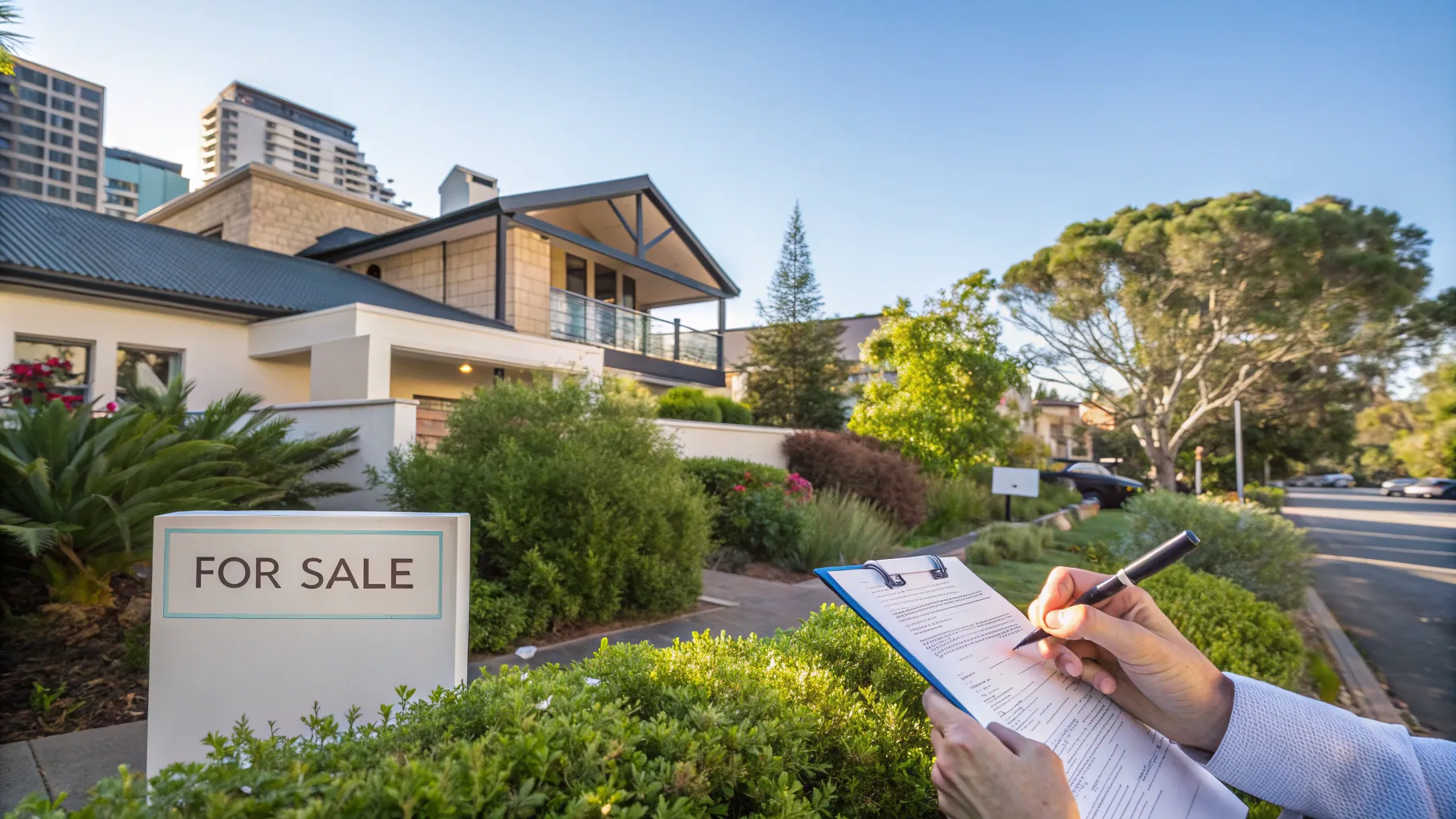
When it comes to buying and selling a house, many people wonder about the role of solicitors. Solicitors Adelaide play a crucial part in ensuring that property transactions go smoothly. This blog will walk you through the process and highlight why having solicitors in Adelaide is essential.
The Process of Buying and Selling a House
The journey of buying or selling a home is not just about agreeing on a price; it involves several steps where solicitors ensure everything is legally sound. Here's a breakdown of the process:
Step 1: The Initial Agreement
The process begins when the estate agent finds a buyer and agrees on a price. They then write to the solicitors with the details of the transaction.
Step 2: Terms of Business
After receiving the details, the solicitors write to their clients, outlining their terms of business. This initial communication is vital for setting expectations.
Step 3: Property Information
If you're selling, you'll need to provide specific property forms. These forms include crucial information about the property, such as any renovations, flood history, or issues like new windows or extensions. This transparency helps in building trust in the transaction.
Step 4: Draft Contracts
The seller's solicitor prepares a draft contract, along with the property forms and a copy of the deeds, which are typically sourced from the Land Registry.
Step 5: Due Diligence
Upon receiving the deeds, the buyer's solicitor conducts a thorough investigation. This includes checking for discrepancies, rights of way, and any private agreements that may affect the property. Their detective work ensures that all aspects of the property are legitimate and that there are no hidden surprises.
Step 6: Conducting Searches
Three essential searches are carried out during this phase:
- Local Search: Reveals any building works or planning permissions affecting the property.
- Environmental Search: Checks if the land is contaminated or has any environmental issues.
- Drainage and Water Search: Confirms the property’s connection to mains services and the location of pipes.
Step 7: Responding to Enquiries
After the searches, the seller replies to any enquiries raised by the buyer's solicitor. Following this, the buyer’s solicitor prepares a report explaining the deeds and paperwork to the buyers.
Step 8: Exchange of Contracts
Once everything is in order, the moving date, or completion date, is agreed upon. At this point, the solicitors exchange contracts, making the agreement legally binding.
Step 9: Completion Day
On the day of completion, the purchase funds are transferred through the banking system. Once the seller's solicitor receives the funds, the estate agent is notified, and the buyer can collect the keys to their new home.
Step 10: Final Steps
After the sale completes, the seller's solicitor will pay off any outstanding mortgage and pay the estate agent. Meanwhile, the buyer's solicitor registers the change of ownership with the Land Registry.
Why Choose Solicitors in Adelaide?
Engaging solicitors in Adelaide brings peace of mind. They handle all legal matters, ensuring compliance with local laws and regulations. Their expertise is invaluable in navigating the complexities of property transactions. Moreover, they protect against potential fraud, ensuring that all funds and documentation are secure.
FAQs
What does a conveyancing solicitor do?
A conveyancing solicitor manages all legal aspects of buying or selling property, including drafting contracts, conducting searches, and ensuring compliance with legal requirements.
How long does the conveyancing process take?
The duration can vary depending on the complexity of the transaction, but it typically takes between 6 to 12 weeks.
Do I need a solicitor for buying a property?
While it's possible to handle the process without a solicitor, it's highly recommended to ensure all legal aspects are covered and to avoid potential issues.
What are the costs associated with hiring a solicitor?
Costs can vary based on the solicitor's fees, which may include a fixed fee or a percentage of the property price. Additional costs may include search fees and registration fees.


Comments
Post a Comment