Commercial Solar Adelaide: Understanding Benefits, Incentives, and Financing Options
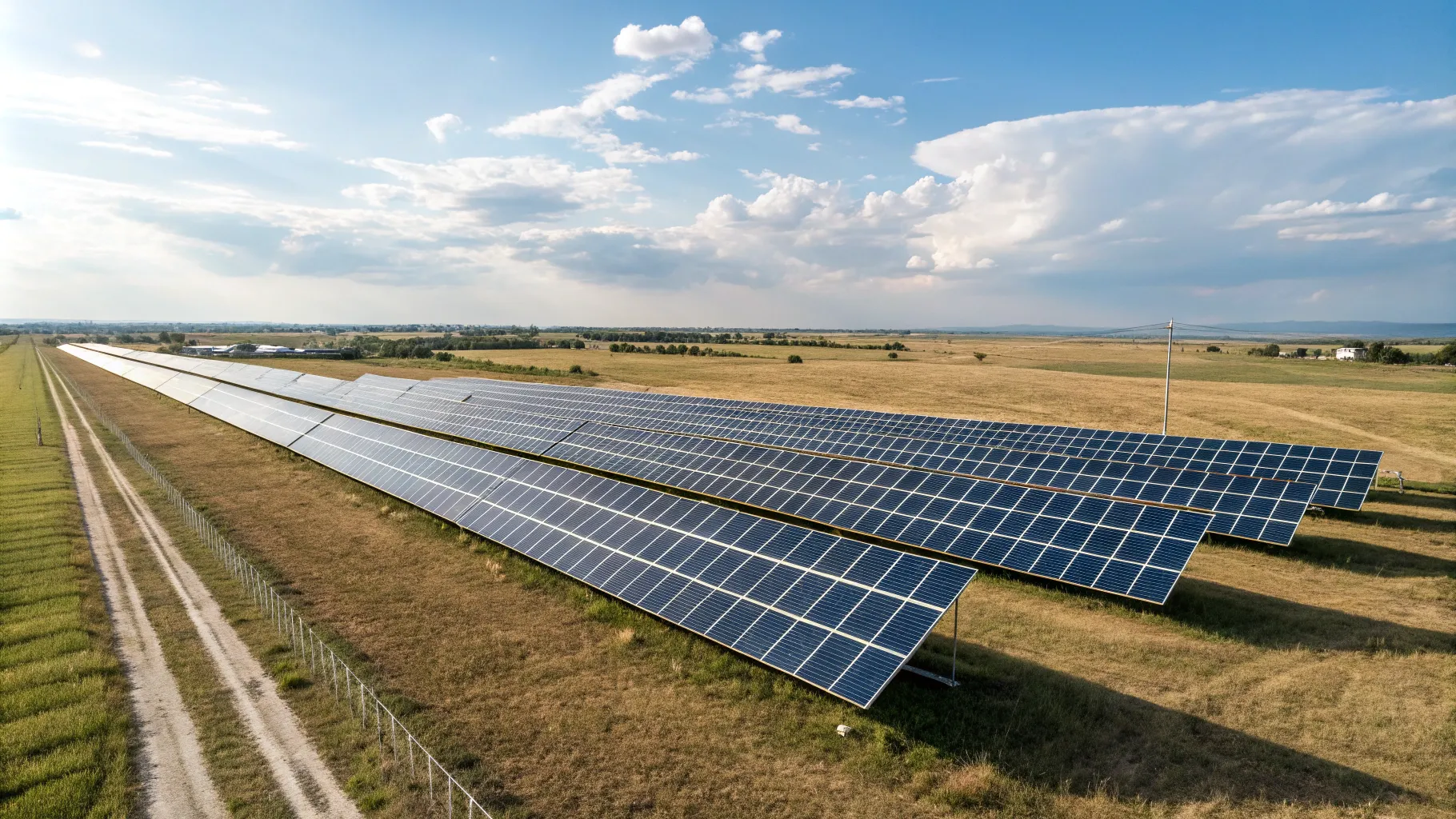
Are you considering commercial solar Adelaide for your business? Investing in solar energy can provide significant financial benefits and contribute to environmental sustainability. In this blog, we’ll explore how commercial solar works, the financial incentives available, and various financing options to make your transition to solar energy smooth and cost-effective.
How Commercial Solar Works
Commercial solar systems involve the installation of solar panels on the rooftops or properties of businesses to generate electricity. These photovoltaic solar panels convert sunlight into usable energy, directly powering your facility. Any excess energy produced can be fed back into the electric grid, often benefiting the business financially through a process called net metering.
With net metering, the utility company credits businesses for the extra energy produced at the retail rate. This means that while you harness clean, renewable energy, you’re also reducing reliance on fossil fuels, helping to curb carbon emissions significantly.
Financial Incentives for Commercial Solar
When it comes to making the switch to commercial solar, various financial incentives can help offset installation costs. Understanding these incentives can significantly reduce the initial investment needed. Here are some key incentives available:
Federal Investment Tax Credit (ITC)
The federal ITC allows businesses to deduct a percentage of the solar installation costs from their federal taxes. Originally introduced in 2005, the ITC was extended in recent legislation, allowing businesses to claim 26% of the total system cost as a tax credit for installations completed by the end of 2022. This percentage is set to decrease in subsequent years, making it crucial to act quickly.
Accelerated Depreciation
Another financial benefit is the ability to depreciate the solar asset. Businesses can take advantage of 100% bonus accelerated depreciation, allowing the entire solar system cost to be depreciated in the first year. This creates a significant expense that can lower overall tax liability.
State and Local Incentives
In addition to federal incentives, some states, municipalities, and utilities offer rebates and other incentives for solar projects. These can vary widely, so it’s essential to research what's available in your area. For instance, selling Solar Renewable Energy Certificates (SRECs) can provide additional revenue, as these certificates represent the environmental value of the energy produced.
Net Metering
Net metering allows businesses to earn credits for the excess energy generated by their solar systems. These credits can offset future energy bills, providing a double benefit of reducing electricity costs while generating renewable energy.
Financing Options for Commercial Solar
Understanding your financing options is crucial for a successful solar project. Here are the most common financing methods available for commercial solar installations:
Power Purchase Agreements (PPAs)
A Power Purchase Agreement (PPA) is a popular option for businesses looking to invest in solar without a significant upfront cost. In a PPA, a solar developer installs and maintains the system on your property, and you pay for the electricity generated at a lower rate than your local utility. This arrangement allows businesses to benefit from immediate cost savings without the risks associated with ownership.
Operating Leases
Operating leases function similarly to equipment leases. The business pays a monthly fee to use the solar system without owning it. This option can be appealing to those who want to avoid the responsibilities of ownership while still harnessing solar energy. At the end of the lease term, businesses typically have the option to purchase the system at a reduced cost.
Solar Loans
For businesses that prefer ownership, solar loans are an excellent alternative. These loans enable businesses to finance the installation and pay back the amount over time, often with attractive interest rates. This option allows businesses to enjoy the full benefits of ownership, including tax credits and energy savings.
Choosing the Right Financing Option
When selecting a financing option, consider the following factors:
- Upfront Costs: Evaluate how much capital your business can invest upfront.
- Ownership: Determine whether you want to own the solar system or prefer a leasing arrangement.
- Tax Benefits: Consider which financing method allows you to maximize tax incentives.
- Long-term Savings: Analyze the potential savings over time with each financing option.
Conclusion: The Future of Commercial Solar in Adelaide
Commercial solar Adelaide presents a compelling opportunity for businesses to reduce energy costs while contributing to a sustainable future. With various incentives, financing options, and the potential for significant savings, transitioning to solar energy is not only an environmentally responsible choice but also a financially wise one. If you're ready to explore the possibilities of commercial solar for your business, consult with an expert to navigate the incentives and financing options available to you.
Frequently Asked Questions
1. What are the benefits of commercial solar for businesses?
Commercial solar systems can reduce energy costs, provide tax benefits, and enhance sustainability efforts. Additionally, they can increase property value and improve brand image by demonstrating a commitment to renewable energy.
2. How much can businesses save with solar energy?
The savings vary depending on factors such as the size of the installation, local electricity rates, and available incentives. Many businesses see substantial reductions in their energy bills, often saving thousands annually.
3. What is net metering and how does it work?
Net metering allows businesses to receive credits for excess energy generated by their solar system that is fed back into the grid. These credits can offset future electricity costs, effectively lowering the overall energy bill.
4. Are there any upfront costs associated with solar financing options?
Some financing options, like PPAs and operating leases, have little to no upfront costs, while purchasing solar systems outright or taking loans may require initial investment. It’s essential to evaluate your business's financial situation to choose the best option.
5. How can I find out more about local incentives for commercial solar?
Researching state and local websites or consulting with a solar energy expert can provide insights into available incentives. Additionally, organizations like the Database of State Incentives for Renewables & Efficiency (DSIRE) offer comprehensive information on incentives.


Comments
Post a Comment